Blog

  • The Importance of a Modern and Functional Kitchen in Every Home

    A kitchen is much more than a place to prepare food. It is an important part of a home where families gather, meals are shared, and daily routines become easier. A well-maintained kitchen provides comfort, improves household organization, and creates a pleasant environment for cooking. Whether someone is designing a new kitchen or updating an existing one, choosing the right layout, materials, and appliances can make a major difference.

    Designing a Kitchen That Meets Everyday Needs

    A successful kitchen design begins with understanding how the space will be used. Some families enjoy preparing large meals, while others prefer simple cooking arrangements. The kitchen should have enough workspace, convenient storage, and suitable areas for different activities.

    The placement of the sink, stove, and refrigerator should allow easy movement. Keeping these important areas properly arranged can make cooking more comfortable and efficient. Homeowners should also consider the number of people using the kitchen and the amount of available space before choosing a design.

    The Beauty of Modern Kitchen Cabinets

    Cabinets are an important feature of kitchen interiors because they provide storage and contribute to the overall appearance of the room. Modern cabinets are available in various styles, including traditional wooden designs, glossy finishes, and simple contemporary options.

    Choosing the right cabinet color can help create a balanced appearance. White and cream cabinets make kitchens look bright, while natural wood finishes provide warmth. Cabinets with multiple shelves and drawers also help homeowners organize dishes, cookware, and groceries without filling the countertops.

    Choosing the Best Kitchen Flooring

    Kitchen flooring should be attractive, durable, and easy to maintain. Since this area experiences frequent movement, spills, and moisture, selecting suitable flooring materials is essential.

    Ceramic tiles and porcelain tiles are popular choices because they are available in many colors and designs. Vinyl flooring is another option for homeowners looking for a comfortable and practical surface. Before selecting flooring, it is important to consider durability, water resistance, cleaning requirements, and safety.

    Making Better Use of Kitchen Space

    Good organization can transform even a small kitchen into a useful and comfortable working area. Wall-mounted shelves, hanging organizers, pull-out drawers, and storage baskets provide additional space for everyday items.

    Keeping countertops free from unnecessary objects makes the kitchen look cleaner and provides more room for food preparation. Homeowners can also organize their pantry by grouping similar products together. Properly labeled containers make ingredients easier to identify and help prevent food waste.

    Adding Modern Technology to the Kitchen

    Technology has made many kitchen activities easier and faster. Modern refrigerators offer improved food storage features, while electric ovens and microwaves provide convenient cooking options. Dishwashers reduce the time spent washing dishes, and food processors make chopping and mixing ingredients easier.

    Smart kitchen appliances are also becoming increasingly popular. Some models allow users to control settings through mobile applications. However, homeowners should focus on useful features, energy efficiency, and reliability instead of purchasing appliances simply because they have advanced technology.

    Maintaining Kitchen Safety and Cleanliness

    Kitchen safety is just as important as appearance and organization. Cooking areas should remain free from unnecessary clutter, and electrical appliances should be used according to manufacturer instructions. Gas connections, cooking equipment, and ventilation systems should be checked regularly.

    Cleaning should be part of the daily kitchen routine. Countertops, sinks, floors, and cooking utensils need proper attention to maintain hygiene. Food should be stored correctly, and garbage should be removed regularly to prevent unpleasant odors and unwanted pests.

    Conclusion

    A modern and functional kitchen improves the comfort and convenience of everyday home life. From attractive cabinets and durable flooring to organized storage and reliable appliances, every element contributes to creating a better cooking environment. Homeowners can achieve excellent results by focusing on practical improvements, maintaining cleanliness, and selecting designs that suit their needs. A beautiful kitchen is not necessarily the most expensive one; it is a space that combines functionality, organization, and personal style.
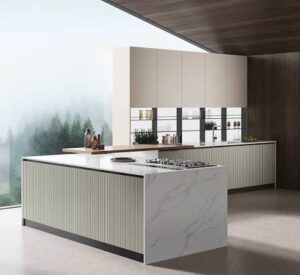
  • How a Thoughtfully Designed Kitchen Improves Everyday Living

    A kitchen is an essential part of every home, providing a place for cooking, dining, and spending time with loved ones. Its design can influence how comfortably people manage their daily routines. An organized kitchen makes meal preparation easier, reduces unnecessary clutter, and creates a pleasant atmosphere for everyone in the household. Even modest improvements can turn an ordinary cooking area into a more enjoyable space.

    One important aspect of kitchen design is making the best use of available space. Before purchasing cabinets or appliances, homeowners should consider the room’s measurements and identify their main requirements. A practical layout should provide clear walking paths and convenient access to essential equipment. In smaller kitchens, compact appliances and vertical storage can help create additional room without making the space feel crowded.

    Work surfaces are particularly important because they are used throughout the day. Preparing vegetables, mixing ingredients, and arranging dishes all require sufficient countertop space. Materials such as quartz, granite, and laminate offer different advantages depending on the household’s budget and preferences. Choosing a surface that is durable and simple to clean can help maintain an attractive kitchen with less effort.

    Cabinets should provide a balance between appearance and storage capacity. Modern homeowners often prefer designs with simple finishes, soft-close drawers, and convenient internal organizers. Wooden cabinets can create a traditional atmosphere, while painted finishes offer greater flexibility for contemporary interiors. Organizing kitchen equipment according to how frequently it is used also makes everyday activities more convenient.

    The sink area deserves special attention because it is regularly used for washing vegetables, cleaning utensils, and handling dishes. A deep sink can accommodate larger cookware, while a well-positioned tap makes everyday cleaning easier. Stainless steel remains a popular material because of its durability and straightforward maintenance. Keeping the surrounding area clean and dry also helps prevent unwanted buildup.

    Kitchen lighting should support different activities throughout the room. General ceiling lights provide overall brightness, while focused fixtures illuminate important working areas. Under-cabinet lighting is especially helpful when preparing food in the evening. Pendant lights can introduce a decorative feature above an island, creating a comfortable area for casual dining or conversation.

    Choosing suitable appliances can improve efficiency and convenience. A refrigerator should provide enough capacity for household groceries, while an oven and cooking range should match regular meal preparation habits. Energy-efficient models may help reduce electricity consumption over time. It is also important to leave sufficient space around appliances according to their installation and ventilation requirements.

    Flooring and wall finishes contribute to the kitchen’s overall appearance. Durable tiles are popular because they can handle frequent cleaning and everyday spills. Waterproof vinyl is another option for homeowners looking for a practical and versatile surface. Backsplash materials protect walls near cooking and washing areas while adding color and texture to the interior.

    Storage accessories can make even a modest kitchen more functional. Drawer dividers keep utensils organized, while labeled containers help manage dry ingredients. Pull-out pantry shelves provide convenient access to groceries, and wall-mounted racks can hold frequently used tools. These small additions reduce countertop clutter and make it easier to find necessary items.

    Maintaining a fresh kitchen environment is equally important. Cooking produces heat, moisture, and odors, so effective ventilation should be part of the overall design. Extractor fans help remove airborne grease and steam, while regular cleaning keeps filters working properly. Opening windows when appropriate can provide additional airflow and make the room more comfortable.

    A beautiful and functional kitchen is created through thoughtful decisions rather than expensive purchases alone. Good organization, practical materials, appropriate lighting, and reliable appliances can improve the experience of using the space every day. By focusing on household needs and maintaining the room regularly, homeowners can enjoy a kitchen that remains comfortable, attractive, and useful for many years.

  • How to Create a Beautiful and Organized Kitchen

    A kitchen is an essential part of every home because it provides a space for preparing meals, storing food, and bringing family members together. A comfortable kitchen makes everyday household activities easier and creates a pleasant atmosphere for cooking. Whether the kitchen is large or small, proper planning, suitable furniture, and effective organization can make a significant difference. Homeowners can improve their kitchens through simple upgrades without always spending a large amount of money.

    Planning the Perfect Kitchen Layout

    The first step toward creating a functional kitchen is choosing a suitable layout. The placement of the stove, refrigerator, sink, and countertops should allow people to move comfortably while preparing food. A well-planned arrangement reduces unnecessary movement and makes cooking more efficient.

    Small kitchens require creative planning because limited space can quickly become crowded. Installing wall cabinets, using narrow storage shelves, and selecting compact appliances can help maximize available space. Larger kitchens may include an island or breakfast counter that provides additional working space and seating.

    Selecting the Right Colors and Materials

    Colors play an important role in kitchen decoration. White, cream, beige, and light gray are popular choices because they create a fresh and spacious appearance. Homeowners who prefer a bold design can introduce darker cabinets, colorful backsplashes, or contrasting countertops.

    Material selection is equally important. Kitchen surfaces should be durable enough to handle heat, moisture, spills, and regular cleaning. Quality flooring, strong cabinet materials, and easy-to-clean wall finishes can help maintain the kitchen’s appearance for many years.

    Making Cooking More Convenient

    A comfortable kitchen should have everything needed for everyday cooking. Frequently used utensils, pots, pans, and ingredients should be stored in accessible locations. Keeping essential items organized can reduce preparation time and make cooking less stressful.

    Installing proper lighting above countertops and cooking areas is another useful improvement. Bright lighting helps people see ingredients clearly and perform kitchen tasks safely. Natural light from windows can also make the room feel more welcoming.

    Smart Ideas for Kitchen Organization

    An organized kitchen saves space and makes household work easier. Drawer dividers can separate spoons, knives, and other cooking tools. Storage baskets can keep vegetables and packaged foods organized, while labeled containers make it easier to find ingredients.

    Unused corners can also become useful storage areas with specially designed shelves or rotating organizers. Hanging racks provide additional space for mugs and frequently used utensils. These simple solutions can make even a small kitchen more practical.

    Keeping Kitchen Appliances in Good Condition

    Kitchen appliances are important investments that support everyday household activities. Refrigerators, ovens, blenders, microwaves, and cooking ranges should be selected according to household requirements. Before purchasing an appliance, buyers should consider its size, energy efficiency, features, and maintenance needs.

    Regular maintenance helps appliances operate properly. Cleaning refrigerator shelves, removing grease from ovens, and checking electrical connections are useful practices. Following manufacturer instructions can also help prevent unnecessary damage and extend appliance life.

    Creating a Clean and Healthy Space

    Maintaining kitchen hygiene should always be a priority. Food preparation surfaces need regular cleaning, and dishes should be washed after use. Raw ingredients should be handled carefully to prevent cross-contamination, while perishable foods should be stored at appropriate temperatures.

    Good ventilation is also necessary because cooking produces heat, steam, and odors. An exhaust fan or range hood can help maintain fresh indoor air. Keeping the sink clean, emptying garbage bins regularly, and storing food in covered containers can further improve kitchen hygiene.

    Conclusion

    Creating a beautiful kitchen does not always require expensive renovations or complicated designs. Careful planning, practical storage, attractive colors, and reliable appliances can transform an ordinary cooking area into a comfortable and functional space. By maintaining cleanliness and organizing everyday essentials, homeowners can enjoy a kitchen that supports their daily routines and makes family life more convenient.

  • Practical Ideas for Creating a Beautiful and Organized Kitchen

    A well-organized kitchen can make everyday life more comfortable and enjoyable. It is a space where people prepare meals, store groceries, clean dishes, and spend time with their families. Since the kitchen is used regularly, its design should focus on convenience as much as appearance. A few thoughtful choices can help homeowners create an environment that feels welcoming while supporting their daily routines.

    The first step toward a functional kitchen is choosing a suitable layout. The arrangement of appliances, cabinets, and countertops should allow enough room for comfortable movement. Keeping the refrigerator, sink, and stove within a convenient distance can make cooking more efficient. Homeowners should also consider how many people regularly use the space before deciding where to place important features.

    Cabinet organization is essential for maintaining a tidy kitchen. Plates, glasses, cookware, and food supplies should have designated storage areas. Adjustable shelves allow homeowners to accommodate items of different sizes, while pull-out drawers make frequently used equipment easier to access. Corner cabinets can also benefit from rotating shelves that help make use of difficult spaces.

    Choosing the right countertop material can improve the kitchen’s durability and appearance. Quartz, granite, marble, and laminate are popular options for different budgets and design preferences. Some materials require more maintenance than others, so homeowners should consider how much time they are willing to spend on cleaning and care. A suitable countertop should provide enough working space and complement the surrounding cabinets.

    Color combinations can influence how spacious and comfortable a kitchen feels. Light shades such as white, beige, and soft gray can create an open atmosphere, particularly in smaller rooms. Natural wooden finishes introduce warmth, while darker colors provide contrast and a modern appearance. Using a consistent color scheme across cabinets, walls, and decorative details helps create a balanced interior.

    Lighting is another important element of a comfortable kitchen. Bright ceiling fixtures provide general illumination, while focused lighting makes food preparation easier. Installing lights beneath wall cabinets can improve visibility across countertops. Pendant lights above an island or dining area can add visual interest without sacrificing functionality. Whenever possible, natural light from windows should also be used to brighten the room.

    Modern appliances offer convenience for households with different cooking habits. Refrigerators with suitable storage capacity, reliable ovens, and energy-efficient dishwashers can make everyday tasks easier. Before selecting equipment, homeowners should check measurements and ensure that electrical and plumbing connections are appropriate. Choosing appliances that match actual household requirements can prevent unnecessary spending.

    A clean and organized kitchen also depends on having enough ventilation. Cooking can produce smoke, steam, and odors that gradually affect the indoor environment. An extractor hood helps remove unwanted air, while properly positioned windows can provide additional ventilation. Regularly cleaning filters and keeping ventilation openings clear helps maintain effective airflow.

    Small decorative improvements can give a kitchen a more inviting atmosphere. Fresh plants, simple wall art, attractive jars, and coordinated accessories can introduce personality. A comfortable breakfast corner may also provide a convenient place for morning meals or casual conversations. However, decorations should not interfere with preparation surfaces or make cleaning more difficult.

    Routine cleaning helps protect kitchen surfaces and equipment. Wiping countertops after use, cleaning cooking appliances, and washing dishes regularly prevents grease and food residue from accumulating. Homeowners should also inspect cabinet hinges, taps, and plumbing connections occasionally. Addressing minor maintenance issues early can help avoid more expensive repairs later.

    Ultimately, an attractive kitchen should make daily activities easier rather than simply look impressive. A practical layout, sufficient storage, durable materials, suitable lighting, and reliable appliances all contribute to a better household environment. With careful planning and regular attention, homeowners can create a kitchen that combines comfort, organization, and lasting visual appeal.

  • Modern Kitchen Ideas for a Beautiful and Practical Home

    The kitchen is one of the busiest and most valuable areas of a home. It is a place where delicious meals are prepared, family members spend time together, and daily routines begin and end. A beautiful kitchen can make a home feel more welcoming, while a practical layout can make cooking and cleaning much easier. Homeowners today are paying more attention to kitchen design, storage solutions, and modern appliances to create spaces that are both attractive and comfortable.

    The Importance of a Well-Designed Kitchen

    A well-designed kitchen makes everyday activities more convenient. When cabinets, countertops, appliances, and cooking areas are arranged properly, people can move around without unnecessary difficulties. A good layout also helps prevent clutter and provides enough room for preparing meals.

    Before making changes to a kitchen, homeowners should consider the available space and their daily needs. Some families prefer large cooking areas with plenty of storage, while others need compact designs that make the best use of limited space. Choosing a suitable layout can improve the overall experience.

    Selecting Beautiful Kitchen Cabinets

    Kitchen cabinets have an important influence on the appearance and organization of the room. They provide storage for plates, glasses, cooking equipment, spices, and groceries. Cabinets are available in different materials, colors, and designs, allowing homeowners to select options that match their preferences.

    Wooden cabinets create a warm and traditional atmosphere, while white and neutral-colored cabinets offer a clean, modern appearance. Handleless cabinets can give the kitchen a simple and elegant finish. It is also important to choose durable materials that can handle everyday use and regular cleaning.

    Choosing Durable Countertops

    Countertops are among the most frequently used surfaces in a kitchen. They provide space for chopping vegetables, preparing ingredients, placing appliances, and serving food. Therefore, choosing a durable and easy-to-maintain countertop is essential.

    Granite, quartz, marble, and laminate are popular countertop materials. Each option has different features, maintenance requirements, and price ranges. Homeowners should compare these materials before making a decision. A suitable countertop can improve both the functionality and appearance of the kitchen.

    Improving Kitchen Storage

    Storage is an important part of creating an organized kitchen. Without enough storage space, countertops can quickly become crowded with utensils, containers, and other household items. Proper storage solutions help keep everything in its place.

    Pull-out drawers, corner cabinets, wall-mounted shelves, and hanging racks can make kitchen organization easier. Transparent containers are useful for storing dry ingredients because they allow people to identify items quickly. Using labeled jars for spices and other cooking essentials can also save time.

    The Role of Modern Appliances

    Modern appliances have changed the way people prepare food and manage household tasks. Refrigerators, electric ovens, dishwashers, microwaves, and food processors offer convenience and help reduce preparation time.

    When purchasing kitchen appliances, it is important to consider quality, energy consumption, size, and ease of maintenance. Choosing appliances that suit the family’s cooking habits can prevent unnecessary expenses. Regular cleaning and proper maintenance can also help extend their lifespan.

    Maintaining a Fresh and Hygienic Kitchen

    A clean kitchen is essential for safe food preparation. Homeowners should develop simple cleaning habits, such as wiping countertops after cooking, washing dishes regularly, and keeping food storage areas clean. Floors should also be cleaned to remove food particles and spills.

    Proper ventilation helps remove smoke, steam, and cooking odors. Keeping garbage bins covered and disposing of waste regularly can further improve kitchen hygiene. These small habits create a healthier environment for everyone in the household.

    Conclusion

    A modern kitchen should offer a balance of comfort, functionality, and attractive design. From selecting suitable cabinets and durable countertops to installing useful appliances and improving storage, every detail contributes to a better cooking environment. Regular cleaning and thoughtful organization also help maintain its beauty over time. With careful planning and simple improvements, any homeowner can create a kitchen that makes everyday cooking more enjoyable and adds lasting value to the home.

  • Designing a Comfortable Kitchen for Modern Family Living

    A kitchen should be a comfortable and functional space that makes everyday household activities easier. It is where people prepare meals, organize groceries, enjoy breakfast, and spend valuable time with family members. A thoughtfully designed kitchen can improve the overall experience of living at home. Whether the space is large or small, the right combination of layout, storage, lighting, and materials can make a noticeable difference.

    Planning the kitchen layout is an important first step. Homeowners should consider how much space is available and where essential appliances will be positioned. The refrigerator, sink, and cooking area should be arranged to support convenient movement during meal preparation. Leaving enough room between cabinets and work surfaces also helps prevent the kitchen from feeling crowded, especially when multiple people are using it.

    Storage solutions can make a kitchen more organized and easier to maintain. Cabinets should provide enough room for dishes, cookware, groceries, and small appliances. Pull-out drawers, adjustable shelves, and corner organizers can help homeowners use otherwise wasted spaces. Keeping everyday items near their main preparation areas also reduces unnecessary movement and saves time when cooking.

    Selecting appropriate countertops is another important part of kitchen planning. These surfaces experience regular use, so durability and maintenance should influence the decision. Quartz is popular for its consistent appearance, while granite offers natural patterns and a distinctive finish. Laminate can be a practical choice for homeowners working with a smaller budget. The selected material should complement the cabinets while providing a comfortable working surface.

    Kitchen cabinets have a strong influence on the room’s overall appearance. Natural wood finishes create a warm and traditional atmosphere, while simple white or gray cabinets provide a modern look. Handleless cabinet designs can create a clean appearance, whereas decorative handles introduce a more classic touch. Choosing quality fittings and durable finishes can help cabinets maintain their appearance through years of regular use.

    Good lighting makes the kitchen safer and more inviting. Ceiling fixtures provide general illumination, but additional lighting is useful for specific activities. Under-cabinet lights can brighten countertops, while pendant fixtures create an attractive focal point above an island. Natural daylight should also be encouraged wherever possible because it helps create a pleasant atmosphere and makes the room feel more open.

    The choice of flooring should balance appearance with practicality. Kitchen floors need to handle regular foot traffic, food spills, and frequent cleaning. Porcelain tiles, ceramic surfaces, and waterproof vinyl are common options for residential kitchens. A suitable floor should be durable, comfortable to maintain, and compatible with the overall interior design.

    Modern appliances can improve convenience and help households manage daily tasks. An appropriately sized refrigerator, efficient dishwasher, and reliable oven are useful investments for many families. Homeowners should compare energy ratings, available features, installation requirements, and long-term maintenance costs before making purchases. Selecting appliances based on actual household needs is often more beneficial than simply choosing the newest models.

    Personal touches can make the kitchen feel more welcoming. A small herb garden near a window, attractive storage containers, decorative wall tiles, or a simple breakfast corner can introduce character. These details should complement the main design rather than occupy valuable working space. Keeping countertops reasonably clear allows homeowners to enjoy both the decorative and practical aspects of the room.

    Regular maintenance helps preserve the kitchen’s condition. Cleaning countertops after food preparation, removing grease from cooking surfaces, and checking plumbing fixtures can prevent small problems from becoming larger concerns. Proper ventilation is also essential because cooking creates moisture, heat, and odors. An effective extractor fan helps maintain a fresher indoor environment and protects nearby surfaces from excessive moisture.

    Creating a comfortable kitchen does not always require a major renovation. Simple improvements to storage, lighting, organization, and surface materials can make everyday activities much easier. By considering the needs of the household and selecting practical design features, homeowners can build a kitchen that looks attractive, functions efficiently, and remains a valuable part of the home for years.

  • Making Your Kitchen a More Practical and Welcoming Space

    The kitchen is one of the busiest areas of a household, which makes its design and organization especially important. From preparing breakfast in the morning to cooking dinner in the evening, this space supports many everyday activities. A comfortable kitchen should provide enough room to work, convenient storage, and an inviting atmosphere. With a little planning, homeowners can improve their kitchens while making daily routines more enjoyable.

    A good kitchen design begins with understanding how the available space will be used. Some families need large preparation surfaces because they cook frequently, while others prefer a compact arrangement that keeps everything within reach. The placement of cabinets, appliances, and worktops should allow people to move comfortably between different areas. An efficient layout can reduce unnecessary movement and make meal preparation less stressful.

    Choosing the right cabinets can make a significant difference in kitchen organization. Wall-mounted cupboards provide extra storage without taking up valuable floor space. Deep drawers are useful for storing pots, pans, and larger cooking equipment, while smaller compartments help organize utensils and accessories. Homeowners should also consider cabinet materials that are easy to maintain and suitable for regular household use.

    The countertop is another feature that deserves careful consideration. It needs to provide a durable surface for chopping vegetables, preparing ingredients, and arranging kitchen equipment. Quartz, granite, laminate, and solid wood are among the available options. Each material has different maintenance requirements, so the right choice depends on personal preferences, cooking habits, and budget. A countertop that combines durability with easy cleaning can remain attractive for many years.

    Flooring also contributes to the overall comfort and appearance of a kitchen. Since this area experiences frequent foot traffic, spills, and occasional dropped utensils, the flooring should be durable and practical. Porcelain tiles, ceramic tiles, and quality vinyl flooring are common choices. Selecting a surface that is easy to clean and offers suitable slip resistance can make the kitchen safer and more convenient.

    Another important consideration is the selection of kitchen appliances. Refrigerators, ovens, microwaves, dishwashers, and cooking ranges should meet the household’s daily requirements. Before buying any appliance, it is sensible to measure the available installation space and check its energy efficiency. Modern appliances often include helpful features, but reliability and ease of use should remain important priorities.

    Lighting can make a kitchen feel more spacious and comfortable. Natural sunlight creates a pleasant environment during the day, while ceiling lights provide general illumination in the evening. Under-cabinet fixtures help brighten work surfaces, making it easier to prepare ingredients and read cooking instructions. Pendant lighting can also add character above a kitchen island or breakfast counter.

    Small decorative details can give the kitchen a more personal appearance. Fresh flowers, attractive containers, matching towels, and simple wall decorations can introduce warmth without taking up too much space. Choosing accessories that complement the cabinets and countertops helps maintain a consistent design. However, leaving enough clear countertop space is important for keeping the room practical.

    Cleanliness and ventilation should never be overlooked. Cooking activities produce grease, smoke, steam, and strong odors that can gradually affect the kitchen environment. An extractor hood helps remove unwanted air, while opening windows can improve natural ventilation. Regularly cleaning appliances, wiping cabinet surfaces, and maintaining the sink also helps prevent unpleasant buildup.

    A well-planned kitchen should make everyday activities easier while reflecting the homeowner’s personal style. There is no need to replace everything at once to achieve a noticeable improvement. Better storage, suitable lighting, durable materials, and thoughtful organization can transform an ordinary kitchen into a comfortable and attractive part of the home. With consistent care and practical design choices, the kitchen can remain enjoyable and useful for the entire family.

  • Creating a Comfortable and Functional Kitchen for Everyday Living

    A kitchen is one of the most important spaces in any home. It is where families prepare meals, share conversations, and spend valuable time together. A comfortable kitchen makes daily activities easier and creates a welcoming atmosphere for everyone. Whether the space is large or small, thoughtful design and proper organization can make a noticeable difference.

    Choosing the right kitchen layout is an important first step. Cabinets, countertops, appliances, and cooking areas should be arranged in a way that allows people to move around comfortably. Keeping the sink, stove, and refrigerator within easy reach can improve the cooking experience. A practical layout also reduces unnecessary movement and helps maintain an organized environment.

    Storage is another essential part of a functional kitchen. Cabinets, drawers, shelves, and pantry organizers provide space for dishes, cooking utensils, ingredients, and household supplies. Frequently used items should be placed where they are easy to access, while occasional-use appliances can be stored in less accessible areas. Proper storage helps prevent clutter and keeps countertops available for food preparation.

    Lighting can completely change the appearance and usefulness of a kitchen. Natural light creates a fresh and pleasant environment, while ceiling lights provide general illumination. Additional lighting beneath cabinets can make countertops brighter and improve visibility during cooking. Combining different types of lighting helps create a space that is both attractive and practical.

    Kitchen materials should be selected according to durability, maintenance, and personal style. Countertops need to handle regular food preparation, while cabinet surfaces should be easy to clean. Flooring should provide a comfortable and safe surface that can withstand spills and frequent movement. Choosing suitable materials can help maintain the kitchen’s appearance for many years.

    Cleanliness is equally important for a healthy cooking environment. Washing dishes regularly, wiping countertops, cleaning appliances, and removing food waste can prevent unpleasant odors and unnecessary mess. Keeping separate spaces for food preparation and cleaning supplies also supports better hygiene. A simple cleaning routine makes kitchen maintenance less difficult.

    Modern kitchen appliances can save time and make everyday tasks more convenient. Refrigerators, ovens, microwaves, dishwashers, and energy-efficient cooking equipment offer useful features for different household needs. Before purchasing new appliances, homeowners should consider available space, electricity consumption, and how frequently each item will be used.

    Ultimately, a successful kitchen combines comfort, cleanliness, and practical design. Small improvements such as better storage, suitable lighting, durable materials, and an efficient layout can transform an ordinary cooking area into a more enjoyable space. With thoughtful planning and regular care, a kitchen can remain attractive, organized, and useful for the entire family.

  • Simple Kitchen Improvements That Make Everyday Cooking Easier

    A kitchen is more than a place to prepare food. It is an important part of a home where people gather, share meals, and create everyday memories. Having a comfortable and organized kitchen can make household routines easier and more enjoyable. Even small improvements can change how the space looks and functions without requiring a complete renovation.

    One of the most useful ways to improve a kitchen is to focus on its layout. A practical arrangement allows people to move easily between the refrigerator, sink, and cooking area. These three locations are frequently used during meal preparation, so keeping them within convenient reach can save time and effort. Clear pathways are particularly important in busy family homes where several people may use the kitchen at once.

    Storage is another feature that deserves attention. Unorganized cupboards and crowded countertops can make cooking frustrating. Installing additional shelves, drawer dividers, and pull-out organizers can help create a more manageable environment. Glass jars and labeled containers are also useful for storing everyday ingredients such as rice, flour, pasta, and spices. When everything has a designated place, cleaning and meal preparation become much simpler.

    Choosing suitable kitchen materials can improve both appearance and durability. Countertops should be strong enough to handle regular cooking activities while remaining easy to maintain. Cabinets should have finishes that suit the home’s interior style and withstand everyday use. Ceramic tiles, quartz surfaces, and quality laminate are popular choices because they offer different combinations of appearance, maintenance, and affordability.

    Lighting is equally important when creating a pleasant cooking environment. A bright ceiling light provides general illumination, while additional lights beneath cabinets can make food preparation safer and more comfortable. Natural daylight can also make a kitchen feel larger and more welcoming. Choosing warm lighting for dining areas and brighter lighting for working surfaces creates a balanced atmosphere.

    Modern kitchen appliances can provide additional convenience. An efficient refrigerator helps preserve food, while a reliable oven and cooking range make preparing meals easier. Dishwashers can reduce cleaning time, particularly in larger households. Before purchasing new equipment, homeowners should measure the available space and consider energy consumption, maintenance requirements, and daily usage.

    A well-selected color scheme can give the kitchen a fresh appearance. Neutral shades such as white, cream, and light gray create a timeless look. Wooden finishes introduce natural warmth, while darker cabinets can add contrast and character. Decorative backsplash tiles, attractive handles, and matching accessories provide opportunities to introduce personal style without making the room feel overcrowded.

    Ventilation should also be included in every kitchen improvement plan. Cooking produces heat, steam, and odors that can make indoor spaces uncomfortable. An effective extractor fan helps remove excess moisture and cooking smells. Opening windows when possible provides additional airflow and helps keep the room fresh. Good ventilation can also reduce moisture buildup around cabinets and walls.

    Keeping the kitchen clean is easier when regular maintenance becomes part of the household routine. Wiping surfaces after preparing meals, washing dishes promptly, and cleaning appliances regularly prevents dirt and grease from accumulating. Floors should be cleaned according to their material, while cupboards and storage areas should occasionally be checked for expired food and unnecessary items.

    Ultimately, a comfortable kitchen does not depend on expensive decorations or the latest appliances. Careful planning, practical storage, suitable materials, and regular maintenance can create a space that works well for everyday life. By making thoughtful improvements, homeowners can enjoy a kitchen that combines functionality, cleanliness, and attractive design for years to come.

  • Creating a Kitchen That Combines Comfort, Style, and Functionality

    A kitchen is one of the most important spaces in any home. It is where families prepare meals, share conversations, enjoy morning coffee, and spend time together. A well-designed kitchen should offer more than an attractive appearance. It should provide comfort, convenience, and enough space for everyday activities. Whether someone is building a new house or updating an existing property, thoughtful kitchen planning can make a noticeable difference in daily life.

    One of the first things to consider when designing a kitchen is the available space. Every home has different dimensions, so the layout should match the room rather than follow a standard design without considering practical needs. A small kitchen may benefit from wall-mounted cabinets, compact appliances, and clever storage solutions. Larger kitchens can accommodate spacious countertops, kitchen islands, and separate preparation areas. Keeping frequently used items within easy reach also helps make cooking more convenient.

    Cabinetry plays an important role in both the appearance and organization of a kitchen. Homeowners can choose from traditional wooden cabinets, modern flat-panel designs, or painted finishes that complement the rest of the interior. Light-colored cabinets can make a smaller room feel more open, while darker finishes may create a warm and sophisticated atmosphere. Quality hinges, handles, and drawer systems are also worth considering because they affect how comfortably cabinets function over time.

    Countertops are another important feature. They provide the main working surface for preparing ingredients, arranging appliances, and serving food. Granite, quartz, laminate, and natural stone are popular options, each offering different benefits. Some homeowners prefer the natural patterns of stone, while others choose quartz for its consistent appearance and relatively simple maintenance. Before selecting a material, it is helpful to consider durability, cleaning requirements, and the overall household budget.

    Lighting can completely change the atmosphere of a kitchen. Natural light from windows makes the room feel welcoming during the day, while ceiling fixtures provide general illumination after sunset. Under-cabinet lighting is particularly useful because it brightens preparation surfaces without creating unnecessary shadows. Pendant lights above an island or dining counter can also introduce an attractive decorative element. A combination of lighting sources usually creates a more comfortable environment than relying on one central fixture.

    Storage should never be treated as an afterthought. Poor organization can make even a beautiful kitchen difficult to use. Deep drawers, corner storage systems, pull-out shelves, and vertical organizers help homeowners use available space more effectively. Separate areas for cookware, groceries, cleaning supplies, and small appliances make it easier to maintain order. A properly organized kitchen also reduces the time spent searching for everyday essentials.

    Appliance selection requires similar attention. Refrigerators, ovens, dishwashers, microwaves, and cooking ranges should fit the kitchen layout and the household’s routine. Energy-efficient appliances can help reduce electricity consumption over time, while modern features may offer additional convenience. However, buying expensive equipment is not always necessary. The best choices are appliances that meet practical needs, fit the available space, and offer reliable performance.

    Color selection brings the entire kitchen design together. White, cream, beige, and soft gray remain popular because they create a clean and balanced appearance. Natural wood tones can introduce warmth, while green and navy accents provide personality without overwhelming the room. Backsplash tiles, cabinet handles, flooring, and wall finishes should work together rather than compete for attention. Small decorative details can make the space feel personal and inviting.

    Maintenance is another factor that deserves attention during kitchen planning. Surfaces that resist stains and are easy to clean can save considerable effort. Regularly wiping countertops, cleaning cooking equipment, checking cabinet hardware, and keeping sinks free from food waste helps preserve the room’s condition. Proper ventilation is equally important because it removes cooking odors, steam, and excess moisture. A reliable range hood or extractor fan can help maintain better indoor air quality.

    Ultimately, a successful kitchen is one that supports the way people actually live. Attractive finishes may create a strong first impression, but practical storage, comfortable movement, good lighting, and reliable appliances determine how enjoyable the room becomes over time. By balancing these elements, homeowners can create a kitchen that remains functional, welcoming, and visually appealing for many years.